Author:
Gary Morgenstein Genre:
Thriller Sub-genre:
Crime Action/Adventure Language: English Pages:
318 Paperback
ISBN: 978-1441492241 Publisher:
Amazon Price:
Paperback $17, Kindle $3.99, FREE on Kindle Unlimited Amazon Barnes&Noble Teddy Mentor finally thought his troubled teenage son was safe. No more drugs. No more police. No more fear. Only guilt. Then came the midnight call from the wilderness program. Jesse had run away. But what can Teddy do? Risk his shaky job and head to Montana to search for Jesse? Let the authorities handle this. They know what they're doing. That's why Teddy sent Jesse away. Because he already failed. No. Teddy can’t jeopardize what little he has left for the adopted son who said Teddy wasn't his real father. But Teddy is a parent. A single parent. And Jesse is all he has left.
The novel asks the question how much should a parent sacrifice for their child? In Jesse’s Girl, the answer is: Everything.
Enjoy this first chapter:
Chapter One
Ever since he’d received the call in the middle of the night that Molly had died, Teddy Mentor had moved the phone away from the end table by the bed. Here in this bedroom, once theirs, then hers, now his, it sat on a pea- green marble table just beneath the window. Even across the room, six feet away, the phone still jolted him. On the second ring, he stiffened like some zombie coming to life.
It was about Jesse. It was one of his dealers calling about money. It was a desk sergeant. It was the morgue. On the third ring, he remembered: Jesse was safe. Let it ring. He had no one else to lose.
He stumbled toward the phone and stubbed his toe on the end table. Down he went to one knee. At fifty-four, stubbing your toe was like being shot. He scowled at the digital clock that he’d also moved so he wouldn’t count the sleep lost, the hours ticking off into the ozone, never to be retrieved.
Slamming down the clock because, of course, that was to blame, Teddy grimaced and answered the phone on the fifth ring. One-eighteen and he had to pee for the second time that night.
“Yeah,” he said hoarsely.
A faint crackle like a connection from space hummed, followed by a cheerful voice with a Western tinge.
“Hello Mr. Mentor, this is Paul Jennings at the Mountain Wilderness Center.”
Teddy flinched. Oh no.
“I’m so sorry to bother you so late.”
“What happened?”
“Well sir - ” Paul hesitated. “We had a little
incident with Jesse last night.”
He closed his eyes, as if that’d help. “Is he okay?”
“Nothing like that. He wasn’t hurt or anything.” Pause. “He left the premises during the night.”
Teddy rubbed his eyes hard, trying to wake up because this wasn’t supposed to happen. This was supposed to be when the nightmare started ending. But from the window came the smell of bagged garbage drifting up the courtyard two floors below, carried on a warm late July breeze, so he knew it wasn’t a dream; it was real and it sucked. “Great. Why?”
“We don’t know for sure.”
“Did you try asking him?” Teddy couldn’t remember if Paul was the fat one with glasses or the thin one with a red beard. He had only seen their pictures from the staff page on the website.
“Well that’s the rub, sir.” Paul cleared his throat.
“Jesse hasn’t returned yet.”
Teddy sat cross-legged on the floor and wished he hadn’t quit smoking. “How long has he been gone?”
“We’re not really sure, sir.”
“What the hell do you mean? I just paid you ten grand and you lose my son after two weeks?”
“I understand you’re upset.”
“That’s one word for it.” How late was the mini-mart on Seventh Street open? He could get cigarettes there. “He disappears in the middle of the night, and you just discovered that now?”
“Oh no, sir,” Paul chuckled, eager to deliver reassuring news. “We saw he was no longer in the cabin around seven this morning when the residents gathered for breakfast. He’d tucked a pillow under his blanket, darn old-fashioned trick but seemed to work…”
“He’s a clever boy,” Teddy said. Here we go again. Here we go again.
“That’s one word for it,” Paul answered slowly. Right. Paul was the fat one -- Teddy remembered now. “One of his roommates contacted the tech on duty and
we then set out looking for him. The group just returned a few minutes ago, and that’s when I called you.”
“So where do you guess he is?” His armpits
were drenched.
“That’s the good news. Nearest town is Morton, that’s more than twenty-two miles away. Twenty-two point three, actually, sir. So it’s unlikely he would’ve made it that far.”
“He could’ve hitched a ride.”
“Folks around here know better than to pick up one of our kids. We’ve got the sheriff on this; he’s sent out an alert. Not many places for Jesse to hide, doubt he had any food. He’ll come back hungry and thirsty. They usually do.”
“Or he won’t because he’s hurt.”
Paul chuckled again. “I don’t think so, sir. Like I said, this happens sometimes. Kids get anxious, frightened, and think running away is an option.”
“But you don’t know for sure he’s okay. You don’t know for sure where he is.” Teddy’s lower back ached. He wanted to lie down and close his eyes and make it all go away.
Paul’s voice hardened slightly. “We know these kids, sir. Just wanted to give you a shout and let you know not to worry.”
“You don’t think I’m going to worry that my sixteen-year-old son is missing somewhere in the middle of Montana?” Teddy shouted.
“Sir, it sounds far worse than it is.”
“Silly me for over-reacting.” Teddy’s chest
tightened.
“When will you call me back?”
“When we find him, sir.”
“When do you think that will be?”
“Hard to say.”
“Few hours, few days, few weeks, what’s the
standard time frame when you misplace an adolescent?”
“Is none. Don’t worry. We’ll find him. Just hang tight
And stay in touch.”
Teddy sat there for a moment, his head throbbing. Damn you, Jesse, he muttered. Damn you for doing this. For saying screw you, Dad, once again.
He hung up the phone and stormed into Jesse’s room. Stupid little bastard. If he could hide syringes, he could’ve hid cigarettes, and Teddy needed some smokes right now. Needed them badly. He started tearing the room apart. Searching for an antidote for his guilt, he’d done this once before, the morning Jesse left, finding five empty syringes, about a dozen tiny plastic packets with traces of white powder, miniature vials of water and cotton balls, Zig-Zag rolling papers, a corroded hash pipe, eight lighters, along with five rubbers.
Teddy dumped clothes on the floor, socks, t-shirts, sweatshirts, flinging the drawers so hard they bounced off the thick blue rug. He rifled through clothes pockets, lint jumping into his thinning black hair. Calm down, he told himself, but he didn’t listen. He half-disappeared into the closet, his overweight, stocky frame stomping on old shoe boxes, discarded electronics gadgets,
a bazillion wires, an empty harmonica box. Teddy hurled objects back into the room like a mad dog searching for a bone.
Not even a lousy butt.
After he finished punching a nice-sized dent in the wall and slamming his fist into Jesse’s bed, still redolent with the smell of his son’s shampoo, he cried, took a Lexapro, dressed, and went outside. Teddy returned about fifteen minutes later with a carton of Marlboros and a six-pack of Sam Adams.
His first cigarette in nine months was like the chocolate they’d serve you in Heaven when you first arrived.
ABOUT THE AUTHOR
The novels and plays of
the award-winning writer Gary Morgenstein have been featured in national
media from the New York Times, Entertainment Weekly, New York Post and
Sports Illustrated to NPRand Fox News.
Including Jesse’s
Girl, Morgenstein’s seven novels include the critically
acclaimed trilogyThe Dark Depthscomprised of A
Mound Over Hell, A Fastball for Freedomand A
Dugout to Peace, which begins in 2098 after America and the West
have lost World War Three to the Islamic Empire and baseball begins its final
season at Amazon Stadium.
Morgenstein’s stage
dramas, which have been performed all over the country, include A Black
and White Cookie, A Tomato Can’t Grow in the Bronx, Dancing on Glass,
Walking Charlie, The Silence of Our Friendsand the bi-partisan
political satire AOC and the Untold Story of the 2028 Election.
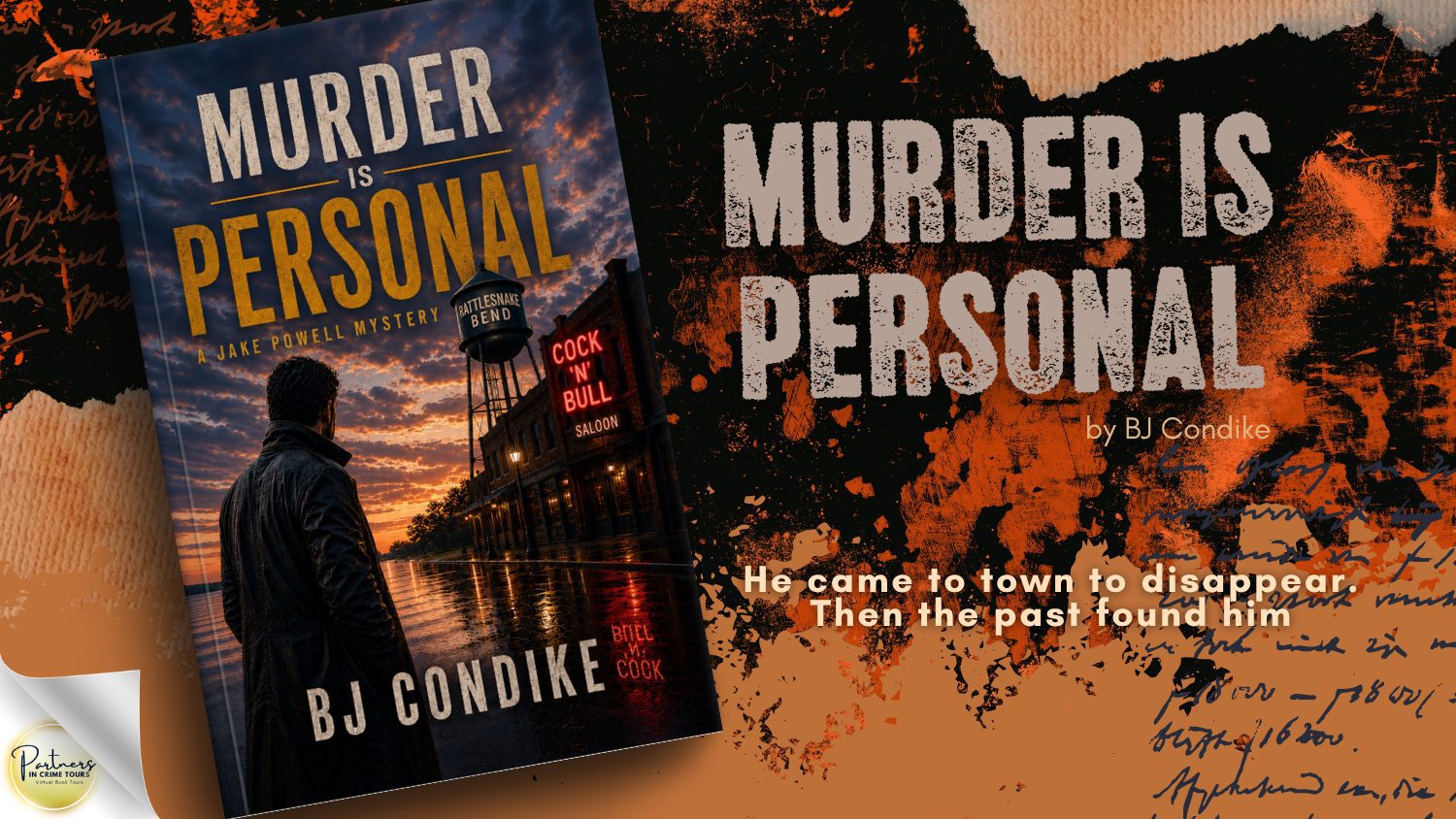
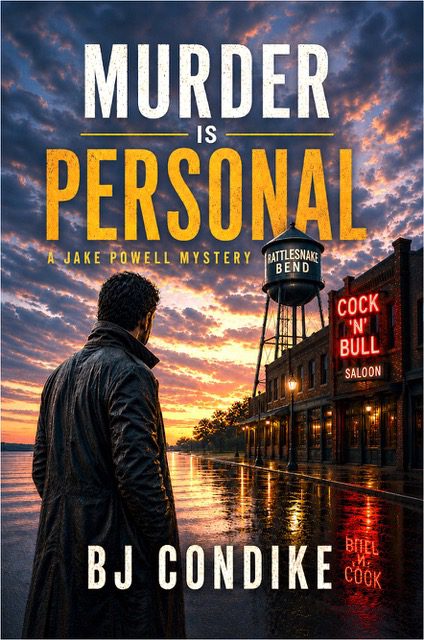
Jake Powell came to Rattlesnake Bend to disappear.
The dying North Texas lake town was the perfect place to outrun his past: no questions, no connections, no reminders of the life he left behind in Massachusetts. He kept his head down, worked for a local woodworker, drank beer at the Cock 'N' Bull, and tried not to think about April Hunter-the woman he abandoned without explanation years ago.
Then April shows up in town wearing a yellow rain coat.
Twelve hours later, she's dead.
With the sheriff convinced he's guilty, Jake starts digging for answers on his own. What begins as a murder investigation spirals into a maze of family secrets, corporate corruption, anonymous threats, and lies buried for decades. The deeper Jake digs, the closer he gets to exposing his own dark secret - plus one more that could destroy him.
Praise for Murder is Personal:
"This fast-paced mystery/thriller where Jake Powell, an amateur sleuth, finds himself the prime suspect in the murder of his ex-girlfriend will keep you turning the pages... Condike’s snappy and sassy dialog made me laugh out loud. His impeccable writing kept me glued to the page. This is one book you won’t want to miss if you like a hard-boiled character like Robert B. Parker’s Spenser or Mike Hammer’s Mickey Spillane." ~ ML Condike, Author
"BJ Condike has written a brilliant mystery novel featuring a fascinating main character, Jake Powell, whose sarcastic wit keeps the reader captivated through action-packed plot twists. I enjoyed this page-turner and can't wait to read the next of BJ's novels in the Jake Powell series." ~ VL Calder
"Totally enjoyed it! From the rugged contemporary West to the polished, secretive East Coast, Murder is Personal plunges readers into a world where danger hides behind almost every new face. When likable, snarky drifter Jake stumbles upon a murder, his troubled past—and more than a few secrets of his own—force him into an investigation that grows more dangerous with every clue. Packed with sharp humor, memorable characters, and suspense that builds to the final chapter. I look forward to Jake’s next adventure!" ~ Ernest Disney-Britton
"This book had me at the end of my seat until the surprising ending on the last page. The writing is impeccable, colorful, and witty in a style reminiscent of Nelson de Mille’s John Corey character. You’ll appreciate the dark humor of Murder is Personal and like me, look forward to its sequel, presently in the works." ~ Joanna Brady
"Murder is Personal is such an enjoyable ride! ... Jake Powell is a great three-dimensional character: flawed but good-hearted, searching for insight into himself, mistake-oriented but willing to do what it takes to make things right. My favorite kind of protagonist. The dialogue is snappy and clever. The secondary characters are well-developed and interesting. And the plot and pacing kept me turning pages long after I'd planned to stop for the night. I'm looking forward to the next in the series!" ~ Lori Herbst
MURDER IS PERSONAL Trailer:
Book Details:
Genre: Mystery, Thriller Published by: Big Pine Press Publication Date: September 15, 2026 Number of Pages: 347 pages ISBN: 979-8996292103 Book Links:Amazon | Kindle | Goodreads | BookBub
My thoughts:
In Murder is Personal, Jake has found himself settling in Rattlesnake Bend after living a fairly nomadic life lately. A blast from his past shows up at his work and the next day is found murdered. Finding himself a suspect, he takes it upon himself to figure out how who actually killed his ex, April. I enjoyed this mystery. It's a fairly quick read. The mystery part was solid with some surprises. But what I liked the most were the characters. Especially Jake. He was an interesting and pretty well fleshed out character. He is definitely is someone I would want to read more about in the future. It looks like this is the first in a series, so I'll definitely be trying the next one.
Read an excerpt:
Chapter 1
I’ll take blame for some of it. A lot of it, maybe. But part of it was simply bad karma, or bad juju, or just bad luck.
Like how I found myself in Rattlesnake Bend.
It had been the perfect hiding place, a backwater Texas town south of Fort Worth and north of Waco. In short, nowhere.
Everything was fine until that one odd thing happened. But odd things happen in threes.
The first one was working in Red Cloud’s woodshop on my day off. Red wanted to spend his Tuesday catching stripers on Serpent Lake. I had nothing going on, so I said yes. The second was an all-day drizzle, a rarity for North Texas. That was another reason Red wanted to fish that day. He said the weather would improve the bite. The third strolled into our shop wearing yellow.
I didn’t recognize the raincoat she wore but knew the face. My ex-girlfriend April Hunter. She was a long way from Massachusetts. And she shouldn’t have been there.
But there she was in the viewing window, her L.L. Bean slicker as out of place in our store as a peacock in a chicken coop.
My hands shook as I avoided sawing off my fingers. Steeling myself, I braced for a different kind of pain. April and I had been together for ten years, but that was a long while ago. Our reunion was bound to be awkward, or worse, volatile.
April tucked wayward strands of blond hair behind her ear. Her face wrinkled in puzzlement, then morphed into surprise. She gestured toward the workshop door.
I raised a finger in a “one-minute” mime and shut down the machines. The motors faded from a whine to a whisper to dead silence. My gut tensed as if expecting a punch.
I entered the retail area. She stood perfectly still, posed like a cigar store Indian in Birkenstocks and jeans, head cocked, one eyebrow raised.
“Well, if it isn’t Jake X. Powell,” she said. Just two old friends in a chance meeting. But it was more than that.
“April?” My voice cracked in three places.
My middle initial is subject to change, like the “x” in a math equation. That day it was an S as in Jake S. Powell—the S was for “Suave.”
I cleared my throat and spoke an octave lower. “What are you doing here, two thousand miles from home? Still combatting corporate America? Saving the gay whales?”
She grimaced. “I’m still writing, if that’s what you’re asking.”
April was a freelance reporter in Boston. She’d been the local incarnation of Lois Lane when we lived in Rollstone, an aging factory town an hour outside the city. Her passion for reporting bordered on obsession.
One day I left a note and took off in my Chevy van. I couldn’t tell her why. She’d never believe me. And never forgive me.
Eventually I landed on the Texas prairie, melting into the landscape. Until now.
“So what’s the Ghost Queen doing here?”
“Ghost? You’re accusing me of ghosting you?”
“April, you’re the only person I’ve ever known to ghost someone they’re living with.”
I must have raised my voice, because a customer tricked out as a Kardashian cowgirl glanced in our direction. The twenty-something brunette continued to browse but stayed within earshot.
This was the reunion I had long yearned for, yet also feared. I had rehearsed it a thousand times. But her sudden appearance had rattled me. And I was blowing it.
April bobbed her head from side to side. “Maybe I do owe you an explanation, but…” She paused. “You owe me one too. You skipped town and all you left was a ten-word note.” She stepped closer. “Three years—” She poked my chest with a fingernail. “—and not one call.” The blood-red nail stung like a hornet. “Not one text.” Poke. “Not even a postcard.” Poke. “And your cell. Stopped. Working.” Poke. Poke. Poke. “You mean to tell me you’ve been here the whole time?” Her tone said it was inconceivable anyone would want to visit the tiny town of Rattlesnake Bend, let alone live there.
“I’ve been lots of places. This is just the most recent stop on my magical mystery tour.” The music and lyrics sprang unbidden in my head. I almost started singing.
“Unbelievable!” She said, her smile gone. “I mean, what the hell, Jake. You disappeared! Even your aunt didn’t know where you went.”
I shrugged.
“Why, Jake? You never gave me a reason.”
I shook my head, offering no explanation. Whatever I said would have been a lie, even if it was better than the truth.
Her shoulders sagged and she looked down. “You left right about …you know my dad died, right?”
I nodded. Yeah, I knew.
I never meant to harm anyone. Only one person knows what happened, but she’ll never tell.
And now my three-year disappearing act had been wasted. The one person I had strived to avoid had found me, was standing in front of me. And the right words wouldn’t come. Maybe there weren’t any right words.
I closed my eyes and inhaled. The familiar scent of patchouli-laced perfume held hints of rain, mesquite, and prickly pear. Waves of memories flooded in but ebbed away on a tide of regret. I couldn’t get involved with her again. The old Jake had loved her, but the new Jake was with Carlota.
Our eyes met, and I exhaled.
The brunette cowgirl no longer hid her interest and openly stared. She hovered over Red’s most expensive pieces, jewelry boxes inlaid with turquoise and pipestone. The fringe on her western costume swayed with every movement. Our cashier Rosie squinted at me from the register. She’d give me hell later for distracting a customer.
I pulled April behind a display of Texas-shaped cutting boards and dropped my voice. “I can’t explain. I just had to leave.”
She rested her hand on my chest. My six-two frame dwarfed her by a foot. “Can’t we go somewhere and talk?” she whispered. “Please?”
I must have been overtired because I relented. “Sure. Why not? The store closes in an hour. Let’s meet at the Cock ’N’ Bull.” I pointed in the pub’s direction. “It’s around the corner. Six o’clock.”
“Um, I can’t meet you at six. I have a—a thing first. Can we get together later? Say, nine?”
I sighed. “What is it this time? Save the horny toads?”
“No! I have a reason for being in this one-horse town.”
“Prairie chickens?”
“Stop it, Jake! I didn’t come here looking for you. I was only killing time before my appointment and there you were.” She paused and bit her lower lip, a sure sign her mental gears were turning. “You know, I don’t know the area. Maybe you could come with me…”
“Hmm. Who is this appointment with? And where?”
“Some anonymous tipster. We’re supposed to meet at a place called Castro Park.”
“That’s on the lake. Why would you want me there—to be, like, a bodyguard?”
She responded with a sheepish smile and a small shrug that asked, “Pretty please?” better than mere words could express.
There were two reasons to refuse. One of them was Carlota, and I couldn’t mention the other. Besides, April was a professional journalist. She’d done things like that a thousand times. She never needed me before; she didn’t need me then. I could just imagine Carlota’s eruption if she knew I was skulking about at night with my ex.
“I don’t think so, April. I’ll meet you later, but you’ll have to make your cloak-and-dagger rendezvous on your own.”
“Yeah, right. Thanks for nothing, Jake.”
“So, will I see you?”
“Maybe. I guess.” She said it without conviction.
We exchanged cell numbers, and she left the store wearing an annoyed expression. She raised the hood of her raincoat against the dampness and didn’t look back.
That was the last time I saw her alive.
***
Excerpt from Murder is Personal by BJ Condike. Copyright 2026 by BJ Condike. Reproduced with permission from BJ Condike. All rights reserved.
Author Bio:
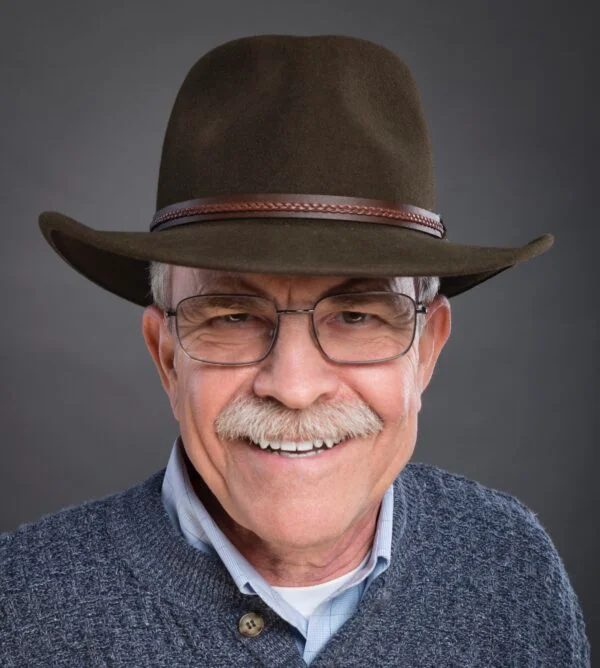
BJ Condike learned his writing craft at SMU in Dallas, and has won numerous local and regional short story contests. BJ’s stories have appeared in several anthologies published by Granbury Writers’ Bloc, the North Dallas Chapter of Sisters in Crime, and Key West Writers Guild where he serves as vice president. He is active in several writing clubs in Texas and Florida, and is currently marketing his debut novel Murder is Personal. In his spare time he plies the waters of the Florida Keys in his fishing boat Sea-Quel with his wife ML and their Welsh corgi Sophie.
Title:
Lost Valley - Lost Innocence Author:
Ken Tipton Genre:
Memoir Sub-genre:
Sexual Assault/True Crime Language:English Pages:
365 Paperback
ISBN: 979-8234067685 Publisher:
TBRIS Media, Inc. Publication
Date: June 22, 2026 Price:
Hardcover $27.99, Paperback $18.99, Kindle $7.99, FREE with Kindle Unlimited Two best
friends. One hidden network. A childhood stolen under the cover of Scouting. From
1964 to 1967, Kenny Tipton and Greg Connor were barely teenagers when men they
had been taught to trust groomed and sexually exploited them through Boy Scout
camps, trips, and activities. What
began at Lost Valley Boy Scout Camp outside St. Louis grew into an organized
network that carried the boys through more than twenty states and into the
hands of businessmen, law-enforcement officers, politicians, priests,
educators, and other powerful men. To
survive, Kenny and Greg depended on each other. They made rules, kept secret
records, negotiated with predators, and used intelligence, loyalty, and dark
humor to hold on to some measure of control. As the danger escalated, they
became caught in blackmail, betrayal, violence, and crimes that would haunt
Kenny for decades. Lost
Valley - Lost Innocence is Ken Tipton's firsthand account of stolen childhoods,
institutional failure, buried secrets, and the lifelong consequences of
survival. But at
its heart is something the men who exploited them could not take away: the
friendship between two boys who protected one another when the adults around
them would not. Decades
later, Ken finally breaks the silence. Told
with brutal honesty and unexpected humor, this is a survivor memoir about
friendship, resilience, guilt, and the courage required to confront the past. Some
stories are difficult to believe because they are too horrifying to imagine. This one
happened. Lost
Valley - Lost Innocence is available at Amazon. Enjoy this interview with the author:
You first put this story on paper in 1988, but the memoir
wasn't fully published until 2026. For survivors who feel frozen or unable to
share their own stories, what did that decades-long gap teach you about
patience, timing, and waiting until you were ready?
The biggest lesson was that being able to write something
down and being ready to let people read it are two very different things.
When I first wrote the story in 1988, I gave the manuscript
to my attorney with instructions that it could be released only after my death.
I wanted the truth preserved, but I was terrified of what my family would think
of me. After my first grandson was born, that fear became so strong that I
destroyed the manuscript. Those decades were not spent patiently polishing a
book. Much of that time, I was trying to find the courage to let anyone know
what had happened.
In November 2010, watching Oprah’s two-part program
featuring 200 male survivors and Tyler Perry helped me understand that I was
not alone. I started writing again from the beginning and my wife promised not
to release it until after I passed. Later, the Boy Scouts bankruptcy and more
than 82,000 abuse claims helped push me toward publishing while I was still
alive. Other survivors were stepping forward, and I wanted my story to help
someone the way their stories had helped me.
I would never tell another survivor, “You should have spoken
sooner.” I know how heavy those words can be. You do not owe the world a public
account of your most painful experiences. Sharing might mean telling one person
you trust, not writing a book.
For me, being ready did not mean the fear had disappeared.
It meant that helping someone else feel less alone had become more important to
me than keeping my own story hidden.
When you tried to speak out as a Scoutmaster in 1988, the
St. Louis Boy Scout Council blocked you. Many survivors face immediate denial
or silencing from the institutions they trust. How did you maintain your grasp
on the truth when a massive organization was trying to overwrite your reality?
Their refusal to hear the truth did not change what Greg and
I had lived through. But it certainly made speaking about it harder.
When I returned to Scouting as a Scout leader, I wanted to
help protect children. My proposal was practical: let me talk to Scouts about
grooming, special attention, gifts, and demands for secrecy. I thought the
organization would welcome an opportunity to help boys recognize the dangers we
had not understood. Instead, a Council representative told me, as I recall in
the book, “Such delicate matters belong at home, not in a public forum.”
What hurt was knowing that I had offered something that
might help a child, and they had turned it away. I understood that response as
another demand for silence, not a reason to doubt what had happened.
Writing became my way of answering. They could reject my
proposal, but I could still put my experience on paper. That did not make me
fearless—I still struggled with shame and with the thought of my family reading
it—but it gave the truth somewhere to exist outside my own head.
The distinction I would make for another survivor is this:
someone’s refusal to listen is not proof that you are wrong. An institution’s
reputation does not give it the authority to decide what you experienced.
You and Greg managed to reclaim a sense of agency by
negotiating with predators and keeping secret records. For survivors who often
feel completely powerless when looking back at their childhoods, how does it
feel to recognize that even as children, you possessed immense strategic
intelligence and resilience?
I feel both pride and grief. I can recognize how resourceful
we were while wishing desperately that we had never needed to be.
Greg and I made rules, kept records, negotiated whatever we
thought we could negotiate, and used humor to hold on to something that still
belonged to us. Our friendship mattered enormously. We were trying to look out
for each other in circumstances neither of us should ever have faced.
But I want to be very clear: finding a little control inside
an abusive situation is not the same as being free to choose that situation. We
were not equal partners negotiating with other adults. We were children dealing
with adults who had power over us. Our intelligence did not make us responsible
for their behavior, and our attempts to survive did not turn exploitation into
consent.
Looking back, I want to give those boys more compassion and
less blame. I want readers to see our loyalty, our humor, and the people we
were—not only what was done to us.
I also would not want another survivor to read this and
think, “I didn’t keep records or come up with a plan, so I wasn’t strong.” This
is not a contest over who resisted best. A child does not have to fight back,
gather evidence, or outsmart an adult to deserve protection. That
responsibility belonged to the adults.
Your book touches on how the blackmail, betrayal, and
trauma impacted you for decades. What does the day-to-day work of living with
complex trauma look like for you now, and how do you navigate the seasons when
the past feels closer than the present?
I would not describe it as reaching a point where everything
is neatly resolved. Putting the story into a book does not mean putting the
past away forever.
Faith and determination have been central to how I have kept
going. I have never approached faith as asking God to fix everything for me. I
prayed for the strength to figure out what I needed to do, and then I had to do
the work. I earned my successes, but believing that God was in my corner and
could guide me spiritually helped me keep moving on the right path.
The balance I aim for now is acknowledging what happened
without allowing it to become the only thing my life is about. I am still a
writer, producer, and director. I still have stories to tell and projects I
care about. I want room for laughter, too. Humor does not mean I am taking the
abuse lightly; it means the abuse does not get to take every other part of me.
When the past feels close, the question I want to ask myself
is not, “Why aren’t you over this?” It is, “What can you do with today?”
Helping other survivors feel less alone gives this work
purpose. But I also want a life beyond explaining what happened to me. I
survived, and I want to keep living—not just keep revisiting how I survived.
Will there be more books from you in the future?
Possibly. I certainly have more stories to tell, but my
immediate focus is giving Lost Valley — Lost Innocence the opportunity
to reach the people who need it.
I am working on the audiobook and working toward adapting
the memoir into a limited streaming series. That longer format would give us
room to show Greg and me as whole people, with friendship, humor, hopes, and
lives beyond the abuse. It is a project I am pursuing, not an announced
production.
I am open to another book, but I do not want to promise a
title or a publication date before I know what that book should be. For now,
this story still has a great deal of work to do. My hope is that someone who
has spent years believing they were alone will encounter it and realize they
were not.
About the author:
Ken Tipton is a serial entrepreneur, author, composer,
screenwriter, award-winning filmmaker, and Air Force veteran whose life has
taken him from building unconventional businesses and producing films to
confronting a childhood history he kept largely buried for decades.
His memoir, Lost Valley - Lost Innocence, tells the true
story of Tipton and his best friend, Greg Connor, who were groomed and sexually
exploited as boys through a network connected to their experiences in Scouting
during the 1960s. Told with candor, emotional honesty, and unexpected humor,
the book examines childhood abuse, institutional betrayal, friendship,
survival, and the consequences that can follow victims long after the abuse
itself has ended.
Tipton has spent much of his life creating—building
businesses, developing film and television projects, writing screenplays, and
telling stories drawn from extraordinary experiences. In his seventies, he
turned that storytelling toward the most difficult subject of all: his own
past.
Through Lost Valley - Lost Innocence, Tipton hopes not only
to document what happened, but also to give voice to survivors who spent years
or decades believing that silence was their only option.
He lives in California with his wife, Darlene, and continues
to write and develop new creative projects.
Ken’s latest book is Lost Valley - Lost Innocence.
Visit his website at https://lostvalleybook.com/
Connect with him on social media at: Facebook:https://www.facebook.com/LostValleyFilm Instagram:
https://www.instagram.com/lostvalleybook BookBub: https://www.bookbub.com/profile/ken-tipton YouTube: https://www.youtube.com/@lostvalleybook Substack: https://lostvalleybook.substack.com/
Book Title: BEST IN MURDER (A Mac Faraday Mystery #15) by Lauren Carr Category: Adult Fiction (18 +) Genre: Mystery Publisher: Acorn Book Services Release date: Oct 13, 2026 Content Rating: PG-13 (Lauren Carr's books are murder mysteries, so there are murders involved. Occasionally, a murder will happen on stage. There is sexual content, but always behind closed doors. Some mild swearing (a hell or a damn few and far between). No F-bombs!
DCI Eleanor Moore is drawn into a series of brutal killings that defy explanation. As she follows the trail of evidence, she uncovers links between the crimes, the vaccine, and a shadowy conspiracy determined to control the future. The investigation becomes painfully personal when Eleanor realises a member of her own family may be entangled in the very secrets she is chasing.
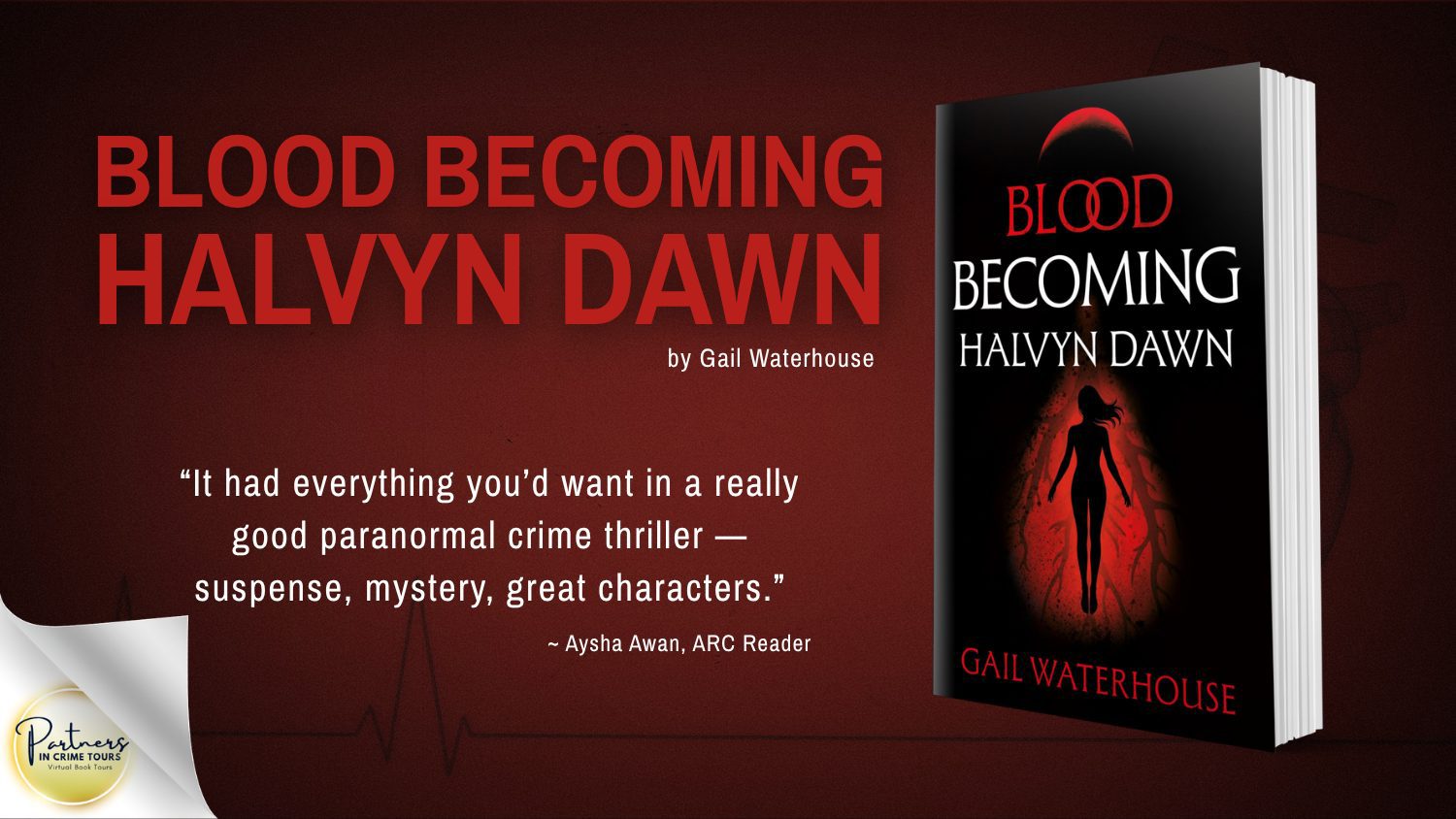
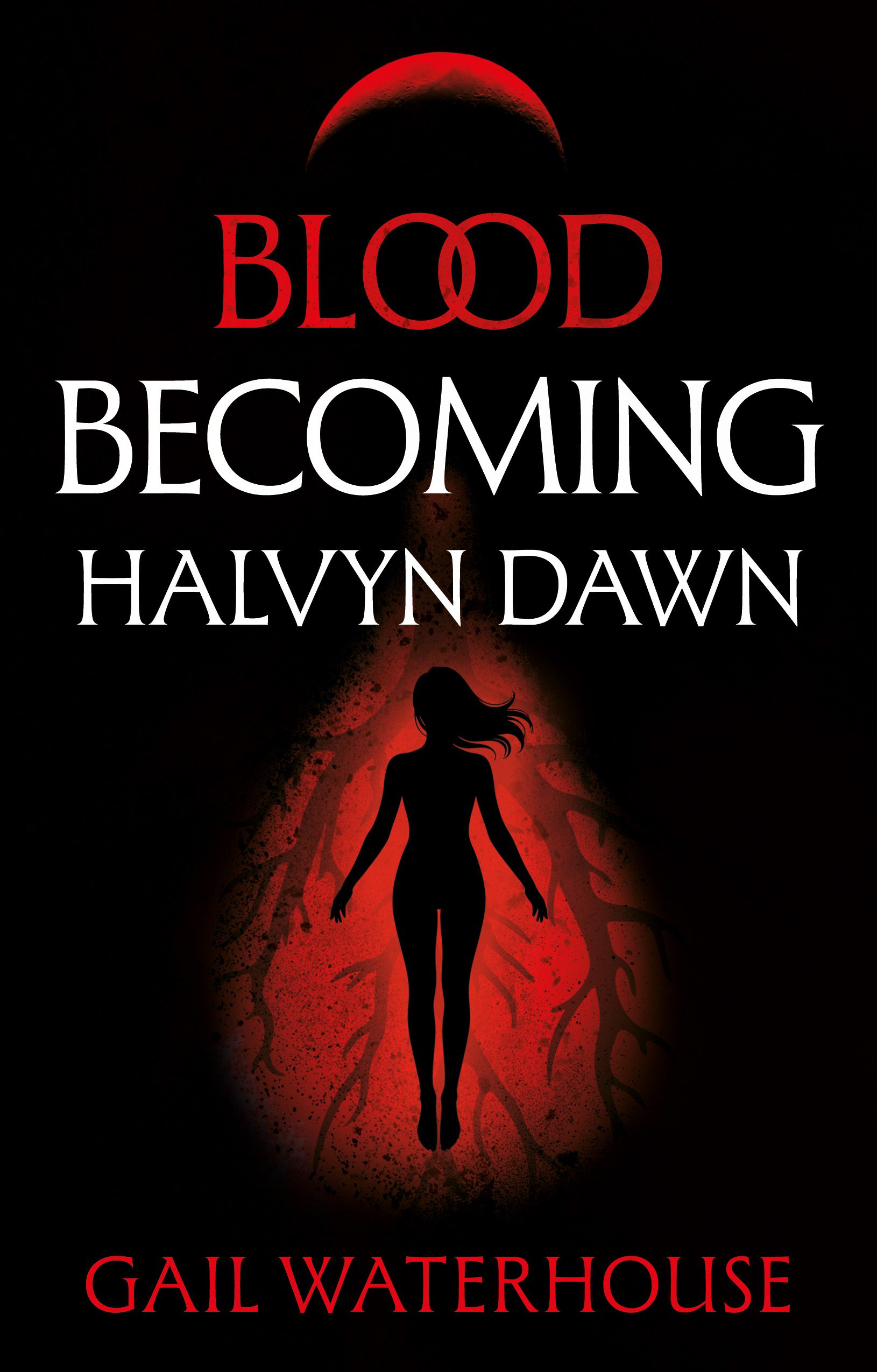
Blood Becoming: Halvyn Dawn is a paranormal crime thriller set in 2046, where the aftermath of a contaminated vaccine has altered humanity in ways no one yet fully understands. Hybrid beings walk among us, their true nature hidden until violence drags them into the light.
Praise for Blood Becoming: Halvyn Dawn:
"Highly compelling with many unexpected twists." ~ Natalie Key, Female First
"It had everything you’d want in a really good paranormal crime thriller — suspense, mystery, great characters." ~ Aysha Awan, ARC Reader
"Thoroughly enjoyable… a storyline that rattles along with characters you want to know." ~ Richard Wolstenholme, Waterstones reviewer
"I loved Eleanor. The two sides of her. The detective but also the mom and the wife who has lost her husband." ~ Goodreads reviewer
Enjoy this guest post about the inspiration behind Blood Becoming from Gail Waterhouse
What If We Never Had to Say Goodbye?
People
often ask me where the idea for Blood Becoming came from. Most expect me
to say vampires.
The
truth is, it started somewhere completely different.
It
began with climate change.
Like
many others, I wonder what kind of world future generations might inherit. We
hear about rising temperatures, extreme weather, wildfires and disappearing
habitats almost daily. It made me question how humanity would survive if our
planet continued to change. Would science find the answers? Would we adapt, or
would we eventually have to evolve?
That
question became the foundation of Blood Becoming: Halvyn Dawn, a crime
thriller set initially in Britain in 2046. The supernatural creatures were
never there simply to frighten readers. They became a way of exploring what it
means to remain human in a rapidly changing world.
As I
wrote, another theme emerged naturally.
Loss.
Almost
every reader will experience the loss of someone they love. Whether it is a
parent, partner, friend, family member or much-loved pet, their absence
reshapes our lives.
For
my family, loss did not arrive just once.
Before
losing my husband, Paul, to cancer, we had already said goodbye to close family
members. The day after Paul’s funeral, we faced another heartbreaking goodbye
when we had to let our little pug, Teddy, go. A year later, my dad died. It
felt as though grief had become an unwelcome companion, returning before we had
recovered from the last goodbye.
What
affected me was not only my own grief, but watching my two sons experience it
too. Each of us coped differently. By the time my dad died, I was not sure I
had any tears left to cry.
Grief
changed me. I found myself emotionally detaching from situations that should
have affected me. It was not a conscious choice. It was how I survived.
Writing
became great company . It gave me somewhere to process emotions that often felt
too complicated for conversation. Many of those emotions naturally found their
way into my characters.
Those
traits became part of DCI Eleanor Moore.
As a
senior detective, Eleanor is exceptionally good at compartmentalising her
emotions. It allows her to remain calm in the face of horrific crimes,
concentrating on evidence rather than emotion. Yet those protective walls begin
to crack as the investigation becomes personal. Family has a way of reaching
places we thought we had closed forever.
Grief
also made me think differently about memory.
After
Paul died, I searched through old videos hoping to hear his voice, only to
discover that in many of them he was behind the camera or not speaking. I
wished I could preserve a memory, not simply as something I could recall, but
as something I could experience again.
That
thought became another question.
What
if memories were a lifeline? What if someone depended upon them to hold on to
their humanity?
Before
writing one of my favourite scenes, I travelled to meet my granddaughter for
the first time. She lives on the other side of the world, and holding her at
the airport brought an overwhelming sense of love and joy.
A
few months later, I wrote the scene where Eleanor meets her three-month-old
grandson for the first time. As I wrote, tears streamed down my face. The
emotion caught me completely by surprise. Only then did I realise how deeply
that earlier experience had become part of me.
As
the Blood Becoming series unfolds, readers will discover that its
central conflict is not simply between humans and supernatural beings.
It
is between love and acceptance.
The
antagonist possesses the power to protect those she loves from death and is
prepared to do almost anything to keep them alive. To her, letting go is not
inevitable. It is a failure she refuses to accept.
Eleanor
approaches the same dilemma from the opposite side. As a senior detective, she
has built her life around justice, ethics and the rule of law. Yet when her
family is threatened, those principles are no longer abstract. She must decide
how much of herself she is willing to compromise to save those she loves.
That
is the question at the heart of Blood Becoming.
We
worry about losing the natural world we know. We preserve photographs,
recordings and memories of people who are no longer with us. We tell ourselves
that death is part of life and some boundaries should never be crossed.
But
certainty is easy when the choice is not ours.
If
science offered you one chance to prevent the death of someone you loved, would
you refuse?
And
if saving them meant risking your principles, your humanity or the lives of
others, where would you draw the line?
Read an excerpt:
PROLOGUE
Friday 23 February 2046
THE SKY OVER the Spanish port was smeared with the colour of blood smoke, a heavy red-orange haze that clung to the air like the last breath of a dying sun. The scent of burning oil and salt hung thick, carried by the heavy coastal winds. It was sharp and acrid, biting against the damp of the sea. Fires crackled along the ridgelines of the coastal city, their glow flickering in the black water below. Distorted reflections trembled with every wave.
In the distance, the sound of falling glass mixed with the wail of sirens. Their shrill cries sliced through the thickening smoke like wounded animals in pain. Puerto de Málaga, once vibrant with the clatter of trade and the bustle of travellers, was now sprawling in disarray. The heat rose from the charred remnants of buildings, still glowing faintly as they collapsed in on themselves. The air was dense, almost suffocating, with the taste of ash and burning wood. The kind of fire that was all consuming.
At the edge of the docks, where the flames hadn’t yet reached, a body stirred amongst the shadows.
He rose from the ground slowly, uncertainly, like something dredged from the depths. His shirt was torn and wet with dark stains, his skin pale and cool against the rising heat. Beneath the surface of his eyes, something had shifted... something new and ravenous.
He didn’t know his name. He couldn’t remember. Not right now. Names were small things; the world was suddenly too loud for small things.
The salt air reeked of dashed hopes and desperation, but beneath that, beneath everything, was scent. Raw. Delicate. Sweet. It curled into his senses like perfume on fire.
People.
He could smell them.
Not just the sweat on their clothes, but the life blood moving beneath their skin. He could feel their warmth like a beacon. Hear their hearts. See the trails their bodies left in the air – vibrant, electric threads.
And he was starving.
The hunger lived in him like a second spine, twisting through his ribs, pulling at his throat. It was not like needing food, not like any hunger he had ever known. This was something more, something pure. It throbbed like instinct. It demanded.
Ahead, the docks were alive with panicked life. Families clutched their documents, arguing with port guards. Children wailed, sensing the anxiety around them. Ship horns blared over the shouting. The flames had cut off the southern road, and now hundreds of people pushed towards the vessels anchored at the quay, hoping to escape the violence swallowing the city. Amongst the chaos of the port, a young couple moved quickly, weaving through the crowd with a grace that seemed to carve a path of calm through the throngs of fearful, stressed faces. They clung to each other, their hopeful laughter soft but real, a gentle sound that contrasted with the heavy tension in the air.
Their smell hit him like lightning.
They were dark-skinned, their features a striking blend of beauty that caught the light in a way others didn’t. The rich, smooth tone of their skin seemed to absorb the firelight and the fading daylight, glimmering like polished wood. They weren’t the only ones with darker skin in the crowd, but there was something different about them. The way they moved, the way they stood, set them apart. Their essence was clean... pure. Not a trace of the fear or desperation that rippled through the others.
The woman, older than the man by a few years, wore a bright red scarf that fluttered behind her like a banner, bold and proud. The younger man, possibly her brother, had a leather satchel slung over one shoulder, his posture firm, the weight of it a comfort rather than a burden. They moved with a serene assurance, as if they had walked through fire to reach this moment, and now they were here, in this place, they knew they were safe. They were running towards something: towards home.
He couldn’t explain why, but he followed.
They didn’t see him. Not truly. Just a man in a crowd. A shape in their periphery.
Nearby, another couple had stopped at the checkpoint. An argument was unfolding. The air was thick with frustration. Shouts rose above the low murmur of the crowd. A tall Englishman, face red with rage, towered over a Spanish official. His words were clipped, sharp, each one slicing through the tense silence. His fists clenched. Veins stood out in his neck. Every inch of him was pressing forwards, demanding an answer.
Beside him, his wife stood still. She cradled a baby wrapped in a pristine white blanket. She remained silent, her eyes distant, her face pale, betraying none of the anxiety in the air.
The Spanish official, weary and weathered, gestured curtly, his voice firm but tired. ‘The passports for the woman and child,’ he stated, ‘are not valid for the British ship. They cannot board.
They will have to wait for the Spanish vessel, which departs later tonight.’
‘No!’ the man barked. ‘We stay together. We go as a family!’ His words were harsh, but they felt like they hung in the air, falling into the thickening tension like stones in water, creating ripples but no true movement. The woman beside him didn’t speak, only tightening her hold on the baby, whose cries were soft, unknowing. Her gaze, fixed on the horizon, seemed to be somewhere far away, as though the entire scene were not something she could reach.
The crowd around them seemed to retreat, uneasy. The man’s frustration was contagious, yet it failed to spark any real response from the official, who remained unmoved, his eyes cold, his posture rigid. The couple was surrounded by murmurs and mutters from the crowd, but it felt like nobody was truly listening. Concerned only with their own woes.
The woman shifted slightly, sensing something, or maybe it was just the sensation of being watched. Her grip tightened on the baby, her eyes flickering towards the shadows, though she saw nothing. The air around her thickened, and she couldn’t quite place why her heart began to race.
Because he was watching the argument. But he wasn’t watching them – the brother and sister. Their scent, now feeling distant. His mouth ached. His body trembled.
They had slipped from his grasp. The moment was gone. They had vanished into the flow of the crowd, their warmth and purity fading, like smoke lost to the night air. The watcher’s pulse quickened, but the hunt had shifted. He could still feel their faint trace, a lingering pull, but they were no longer within reach.
He quickly moved through the crowd, his steps light, measured, and the scent of sweat and smoke filled his senses, dulling his focus. But then, something changed. His head tilted slightly, drawn by a new, unexpected fragrance that cut through the heavy air. It was delicate, fresh, like the first spring buds on a tree, sharp yet soft. The scent was subtle, fleeting, but unmistakable. It was the scent of a young woman.
Alone.
Nervous.
His gaze flicked in her direction, a predator spotting its next target. He couldn’t see her yet, but he could feel her presence in the air; a vulnerability that stood out against the hardened masses around her. There was a stillness in her, but the air around her vibrated with anxious energy. She didn’t belong to the crowd, not like the others. She wasn’t lost, exactly, but there was an uncertainty in the way she moved, as though the port itself was a vast, unknowable place to her.
He moved slowly through the throng; his every sense tuned to her. Her scent drew him closer, a fragile thread that wound through the chaos. She wasn’t trying to escape, not in the way the others did. She was just... there. Walking, weaving through the people, her eyes darting, scanning for something. Looking for someone. Her nerves were a song to him, soft and fragile.
He could see her now, just ahead, her dark hair framing a face that seemed too young for the worry she carried. Her posture was hunched, as if she were trying to make herself smaller, to disappear into the crowd. She wasn’t trying to be seen, but the watcher saw her all the same.
And she was still.
Thinking.
He felt a stir of anticipation, his gaze narrowing as he took another step towards her. There was something about the way she looked, not at the crowd, not at anything. Her eyes kept drifting towards the shadows, as though she felt something watching her, though she couldn’t know it was him.
He moved closer, quietly... patient. He would have her. She was his now.
He moved silently, a smudge amongst shadows, slipping from container to crate, blending into the murky dark of the port. His steps were slow, calculated, his presence a breathless whisper in the night. Each movement was precise, natural.
Her footsteps echoed on the wooden boards as she moved through the labyrinth of abandoned structures. Her pace quickened, her heart already pounding, as if some deep instinct had begun to warn her. The air was heavy, thick with the scent of rust and salt, the smell of old fish and the faint, lingering tang of blood. This area of the dock felt empty, desolate, but there was something beneath it, a presence she couldn’t quite place. She turned a corner, her pace frantic now, as if her body knew something her mind refused to admit.
She glanced over her shoulder, and there it was, that chilling feeling of being followed. Her eyes searched the darkened spaces, the shadows between the crates, the broken walls of forgotten buildings, but there was nothing. Still, the hairs on the back of her neck stood on end.
She quickened her step, but then she made a mistake.
A wrong turn.
The path narrowed as she hurried down the dock, the sound of her boots slapping against the timber carrying through the silence. She didn’t see it at first, not until it was too late – a small, isolated room at the end of the corridor. The heavy open door loomed ahead like an invitation. Panic surged through her chest, but there was no turning back now. Her instincts screamed at her to flee, to find another way out, but her legs carried her forwards, into the dim light of the room.
The door slammed shut behind her.
She froze.
The room, that looked like a forgotten storage area, was empty except for some shelves, discarded crates and netting that smelt of old mildew. The walls felt like they were closing in on her, the air thick and close, the silence broken only by the sound of her ragged breathing. There was no way out. The windows were too small, the walls too strong, the door too solid.
And then, a sound. A faint click.
He had locked them in.
***
Excerpt from Blood Becoming: Halvyn Dawn by Gail Waterhouse. Copyright 2026 by Gail Waterhouse. Reproduced with permission from Gail Waterhouse. All rights reserved.
Author Bio:
Gail Waterhouse is a UK-based author of crime thrillers with a speculative edge. With a background in design, and an MA in Creative & Media Education, she writes grounded, character-driven stories that blend police procedural realism with darker, thought-provoking themes.
Her work explores near-future worlds shaped by scientific change and human consequence, where the line between the natural and unnatural begins to blur. Inspired by conversations about climate change and humanity’s future, her stories examine what we might become when survival demands evolution.